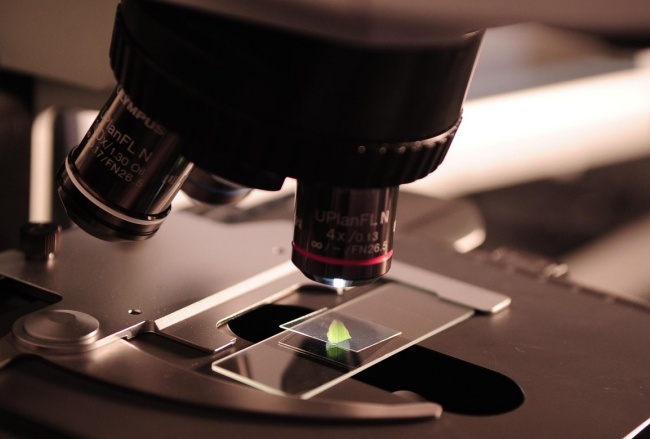
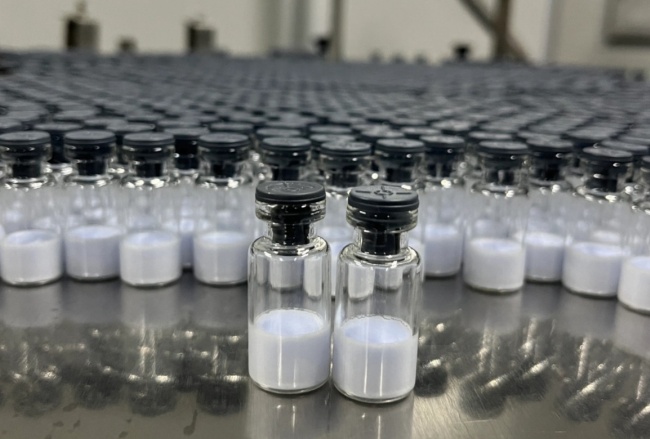
Researchers use a variety of methods including solid phase synthesis, HPLC, and fluorescence assays to study structure-activity relationships. These methods help in synthesizing peptide analogues and analyzing their biological activity against gram-negative bacteria.
Techniques like peptide scanning and fluorescence microscopy are heavily relied upon. These technologies enable the visualization of how peptides interact with bacterial cell membranes, providing a deeper understanding of their mechanism of action.
Email roarpeptide@outlook.com

What Are the Methods Used in Structure-Activity Relationship Studies?